You’ve seen the photos of Angels Landing and The Narrows, and maybe you’ve even been, but how much do you actually know about Zion National Park? How old is it, how big is it, and why is it called Zion in the first place?
We dusted off the history books and dug into the park’s own figures for these 12 facts about Utah’s first national park and the most visited of the Mighty Five, from its record-breaking cliffs to the condors that nest there.
Interesting Facts About Zion National Park
How Big is Zion National Park?


Zion National Park covers 232 square miles, about 148,000 acres, of canyons, mesas and high plateaus in southwest Utah. That’s almost five times the land area of San Francisco. More than 80% of it is protected as designated wilderness.
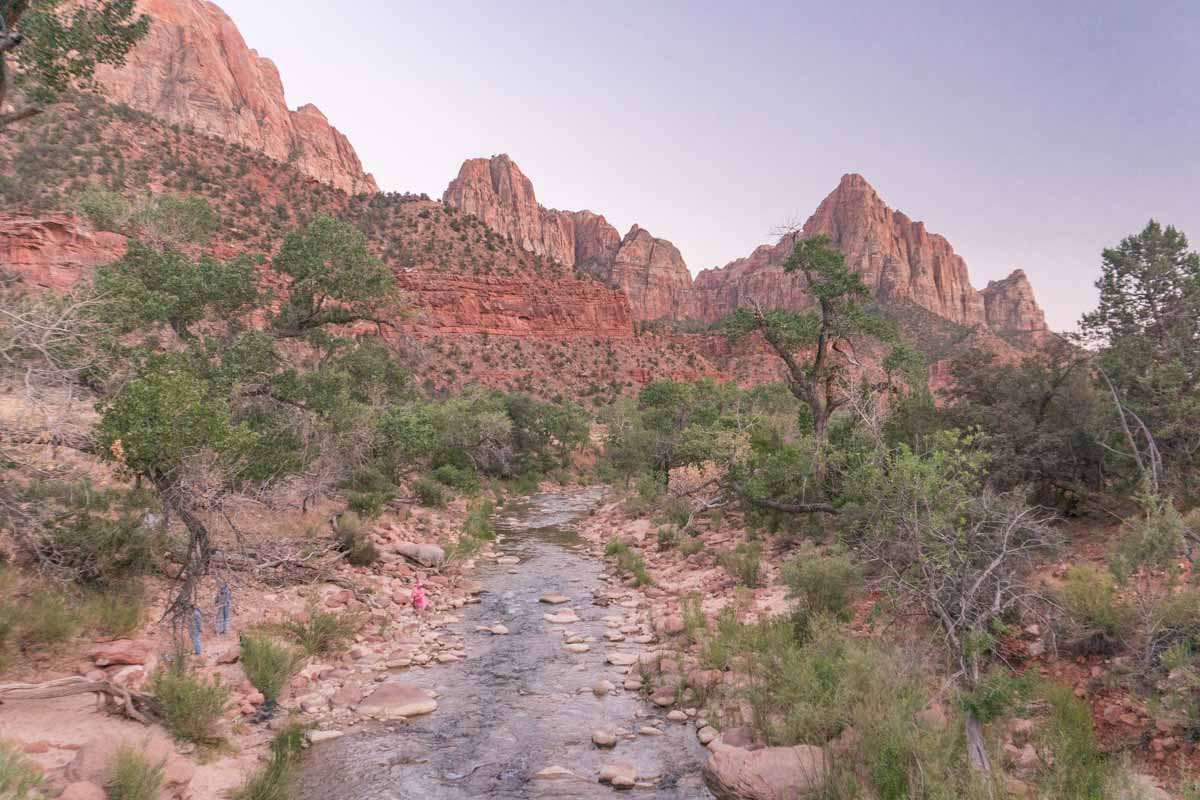
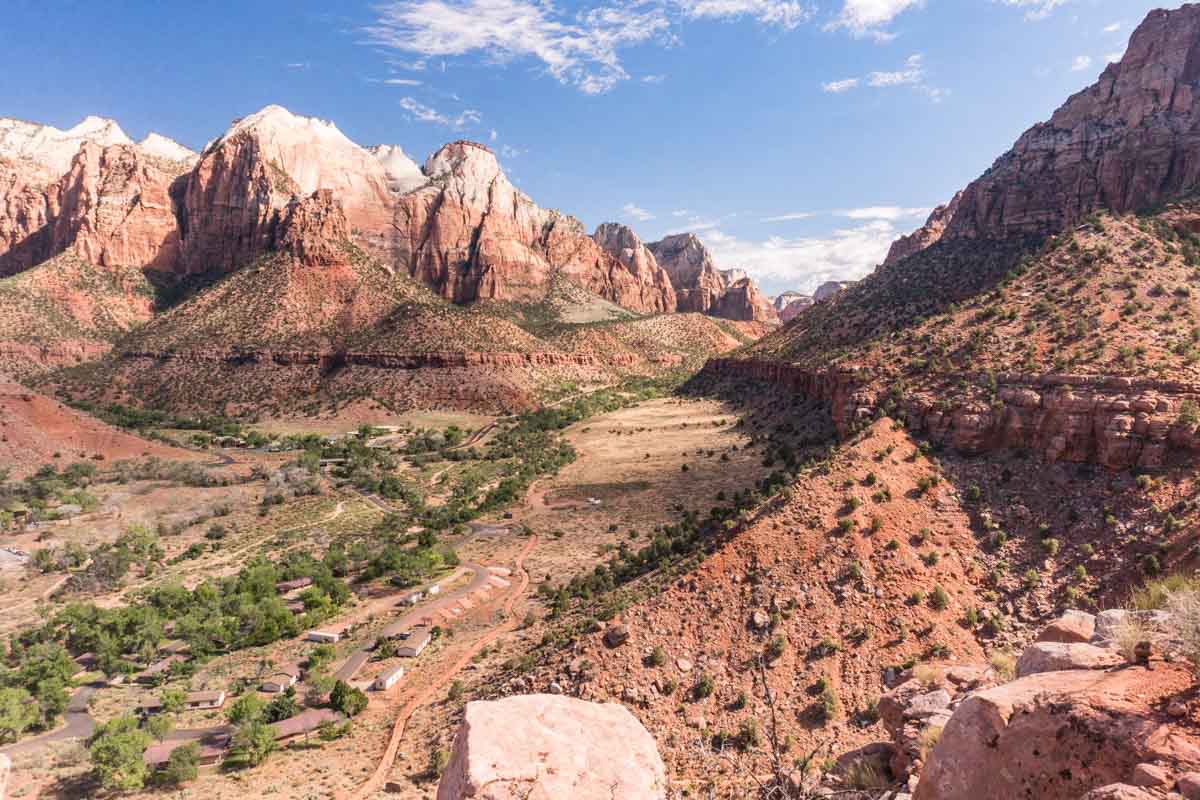
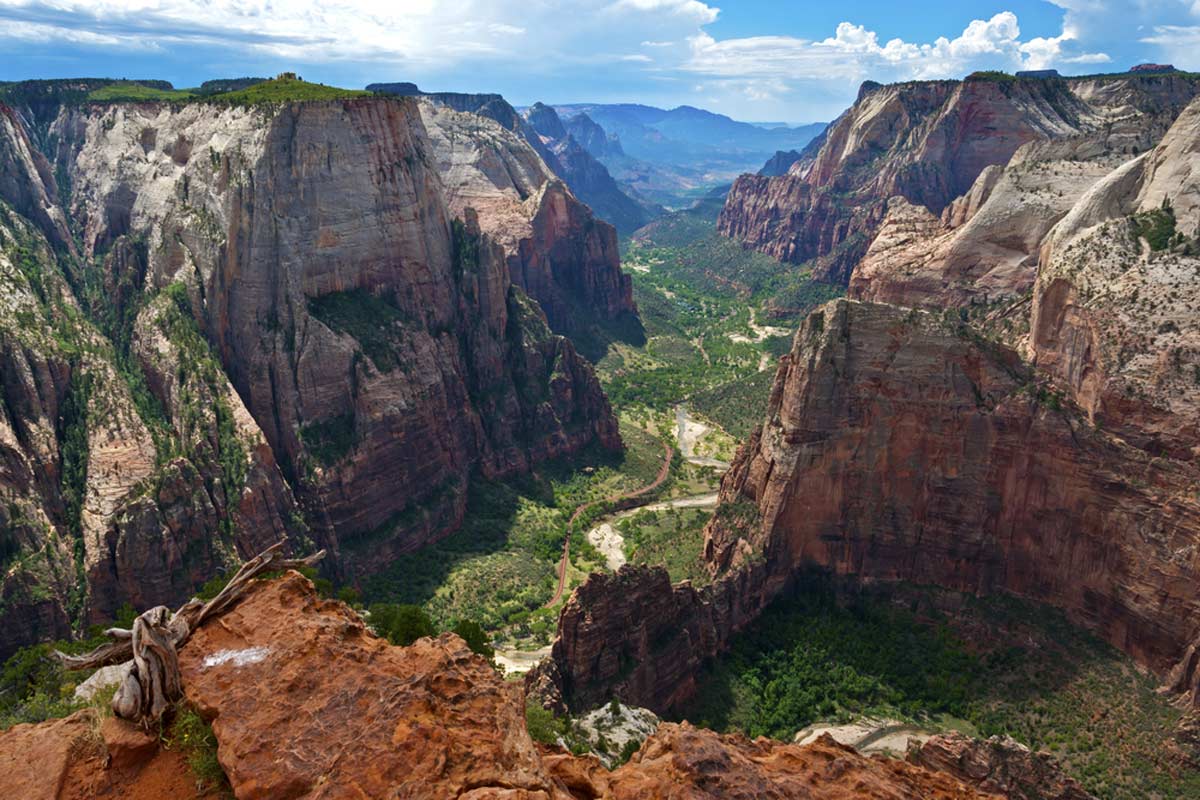
The park’s heart is Zion Canyon, carved by the North Fork of the Virgin River, where sheer walls rise 2,000 to 3,000 feet above the canyon floor. Most visitors only ever see this main canyon, but the park also takes in the Kolob Canyons in the northwest, the Kolob Terrace and the slickrock country on the east side.
What is Zion National Park Known For?
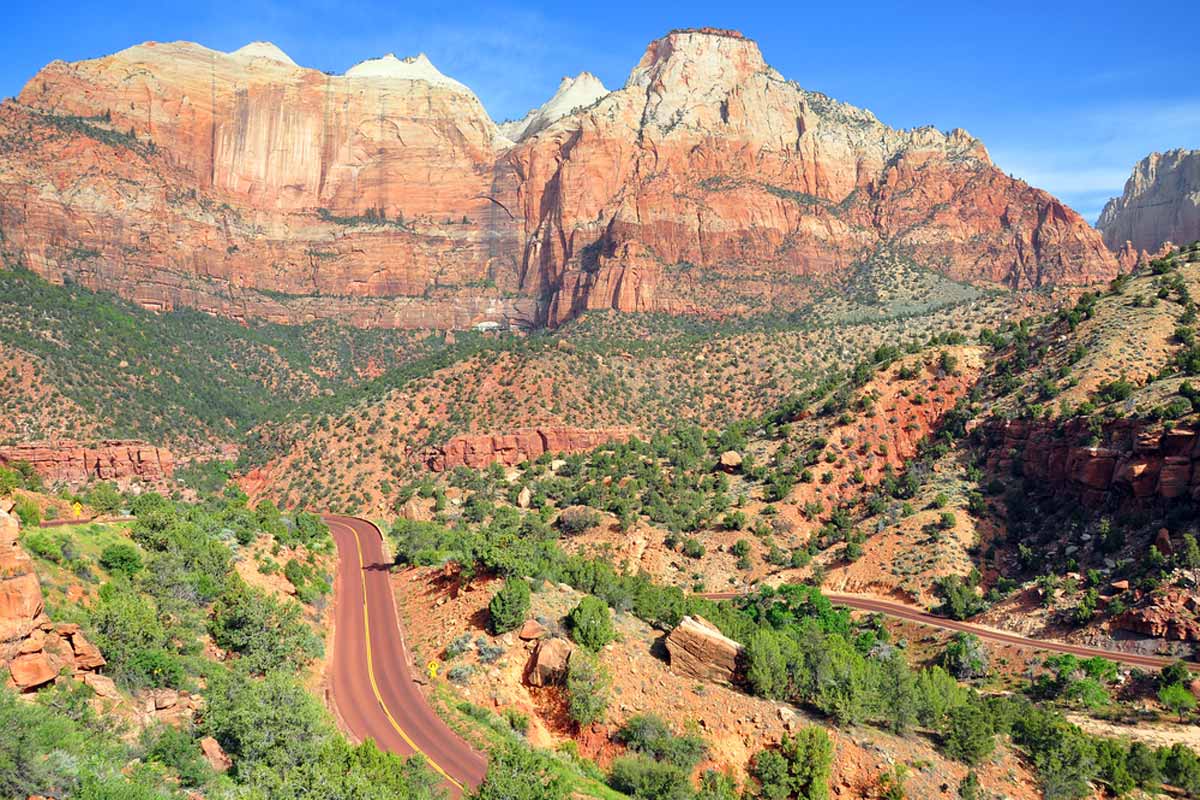
Zion is best known for its towering sandstone cliffs, which the National Park Service describes as some of the highest sandstone cliffs on Earth. It’s also loved for its network of hiking trails, from easy riverside strolls to some of the most famous hikes in the US.
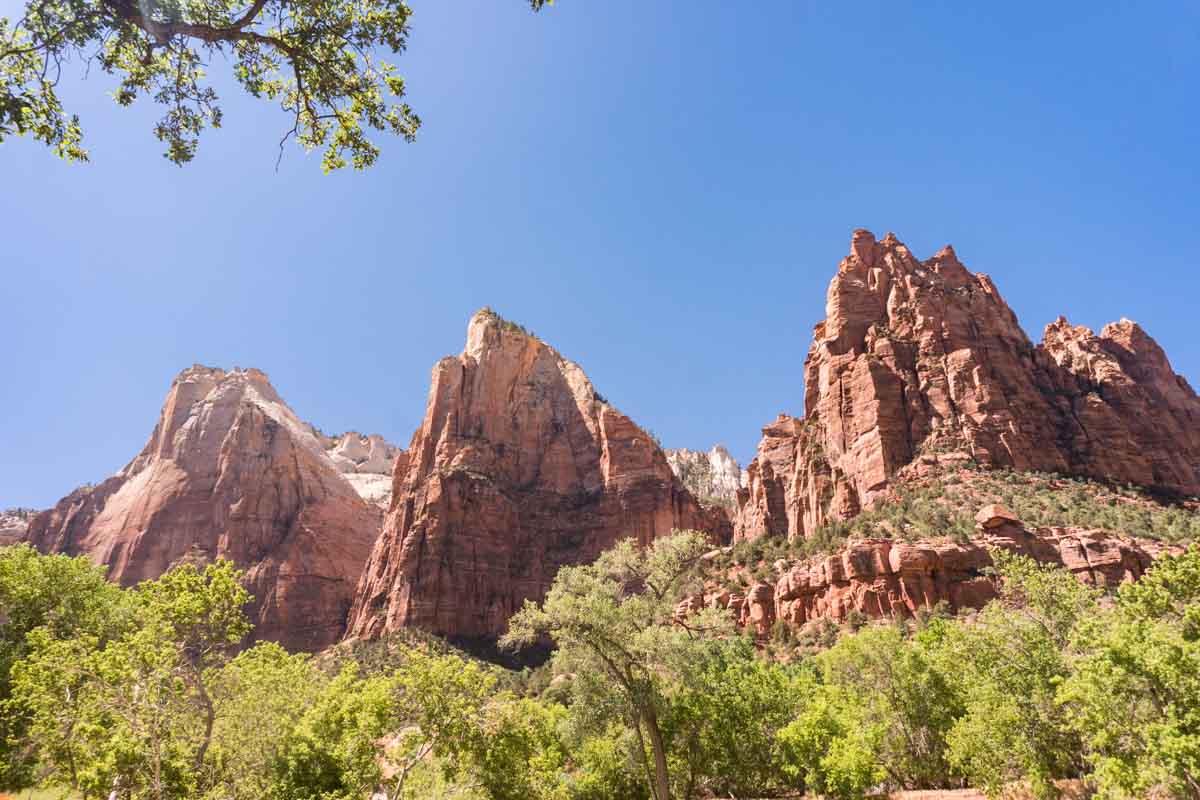
Among the park’s most recognisable sights are the Three Patriarchs, a trio of peaks named Abraham, Isaac and Jacob by a Methodist minister, Frederick Vining Fisher, in 1916. On the east side, Checkerboard Mesa gets its pattern from horizontal lines of ancient sand dunes, weathered out of the rock, crossed by vertical cracks.
Then there are the hikes. The Narrows, a wade up the Virgin River between walls over 2,000 feet high, and Angels Landing, with its chains and sheer drops, are on most hikers’ bucket lists.
Why is Zion National Park Important?
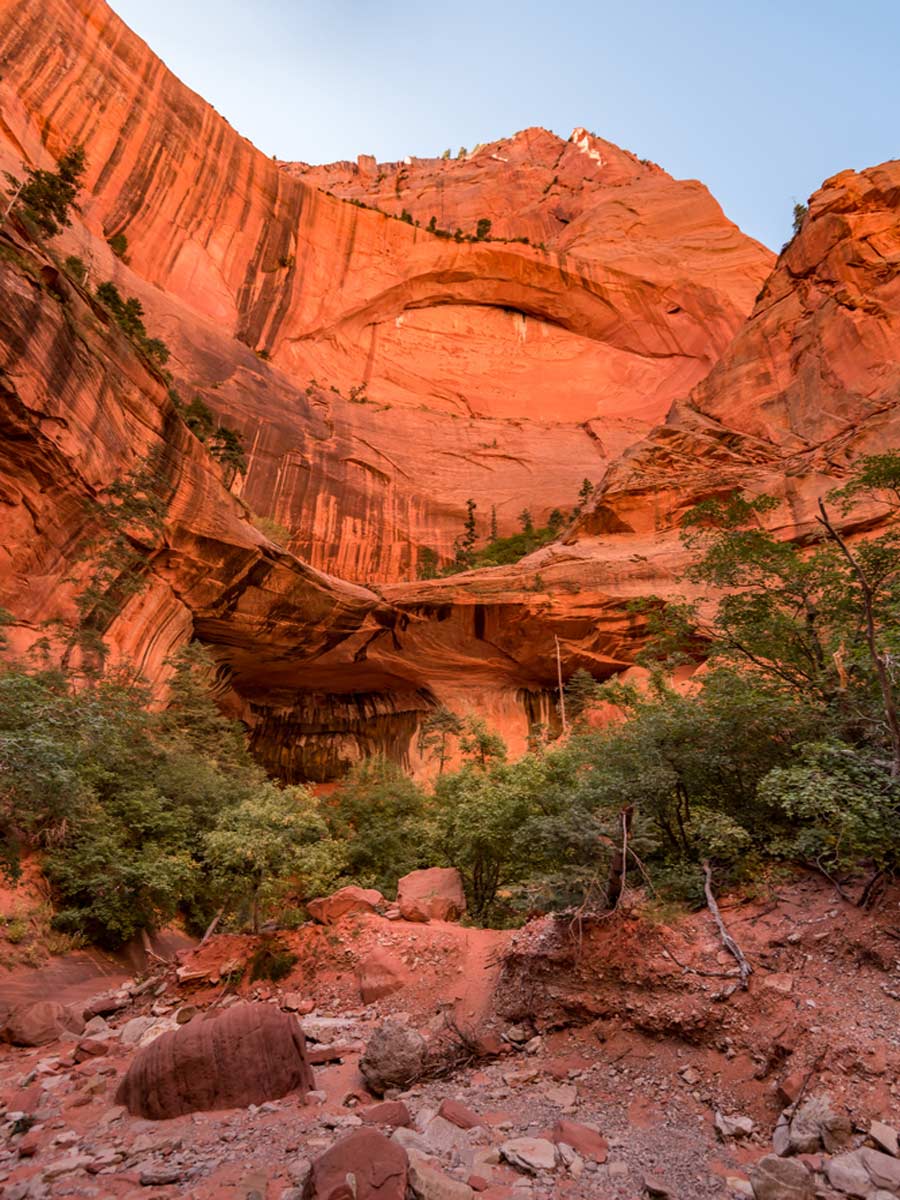

Zion sits on the edge of the Colorado Plateau, where the rock layers of the Grand Staircase step up from the desert. Its star attraction is the Navajo Sandstone, the remains of a vast desert of windblown dunes, which reaches its greatest thickness here, at over 2,000 feet. Its walls glow in shades of cream, pink and red.
The park is also a refuge for wildlife, including endangered California condors, and since 2021 it has been certified as an International Dark Sky Park, protecting some of the darkest night skies in the country.
What Year Was Zion National Park Established?

Here’s one of our favourite Zion history facts: the park is more than 100 years old, and it was Utah’s first national park.
It was first protected by President Taft as Mukuntuweap National Monument on 31 July 1909. The monument was enlarged and renamed Zion National Monument in 1918, and on 19 November 1919 an Act of Congress, signed by President Woodrow Wilson, made it a national park.
The park as we know it today took shape later. In 1937 President Franklin D. Roosevelt proclaimed the Kolob Canyons a separate Zion National Monument, and in 1956 they were added to the national park.
How Old is Zion National Park?
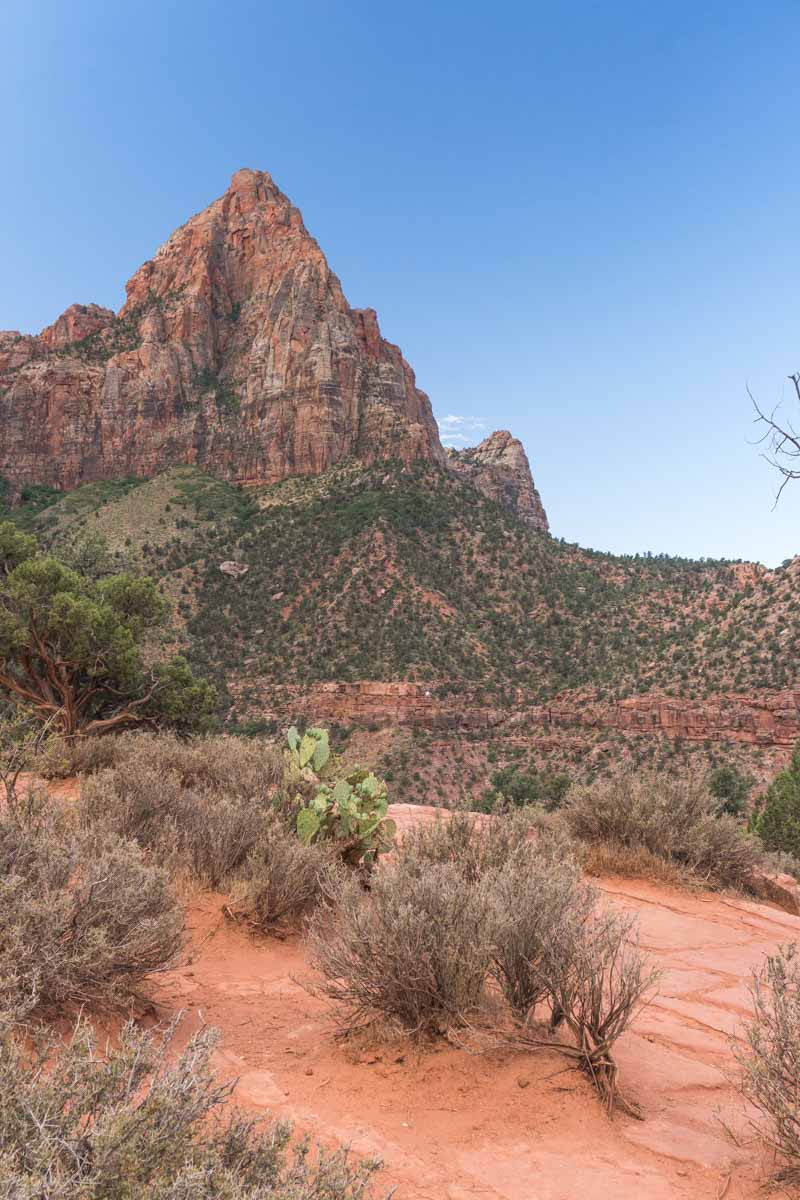
As a protected area, Zion dates from 1909. But people lived here for thousands of years before that, including the Ancestral Puebloans and the Southern Paiute, whose descendants still have ties to the land. Mormon pioneers began farming the canyon in the 1860s.
The landscape itself is far older. The Navajo Sandstone that forms Zion’s great cliffs was laid down as sand dunes in the Early Jurassic, around 180 million years ago, long before the Virgin River began cutting the canyon.
What is Zion National Park Named After?
The original name, Mukuntuweap, was recorded by John Wesley Powell’s survey in 1872 in the belief that it was the local Paiute name. It’s usually said to mean “straight canyon”. The name was unpopular with local settlers, and in 1918 Horace Albright of the National Park Service changed it to Zion.
Zion was the name the Mormon settlers already used. Isaac Behunin, who built a log cabin near the site of today’s Zion Lodge in 1863, is credited with naming the canyon after the biblical Zion, a place of peace and refuge. He’s said to have remarked: “A man can worship God among these great cathedrals as well as he can in any man-made church; this is Zion.”
What is the Elevation of Zion National Park?
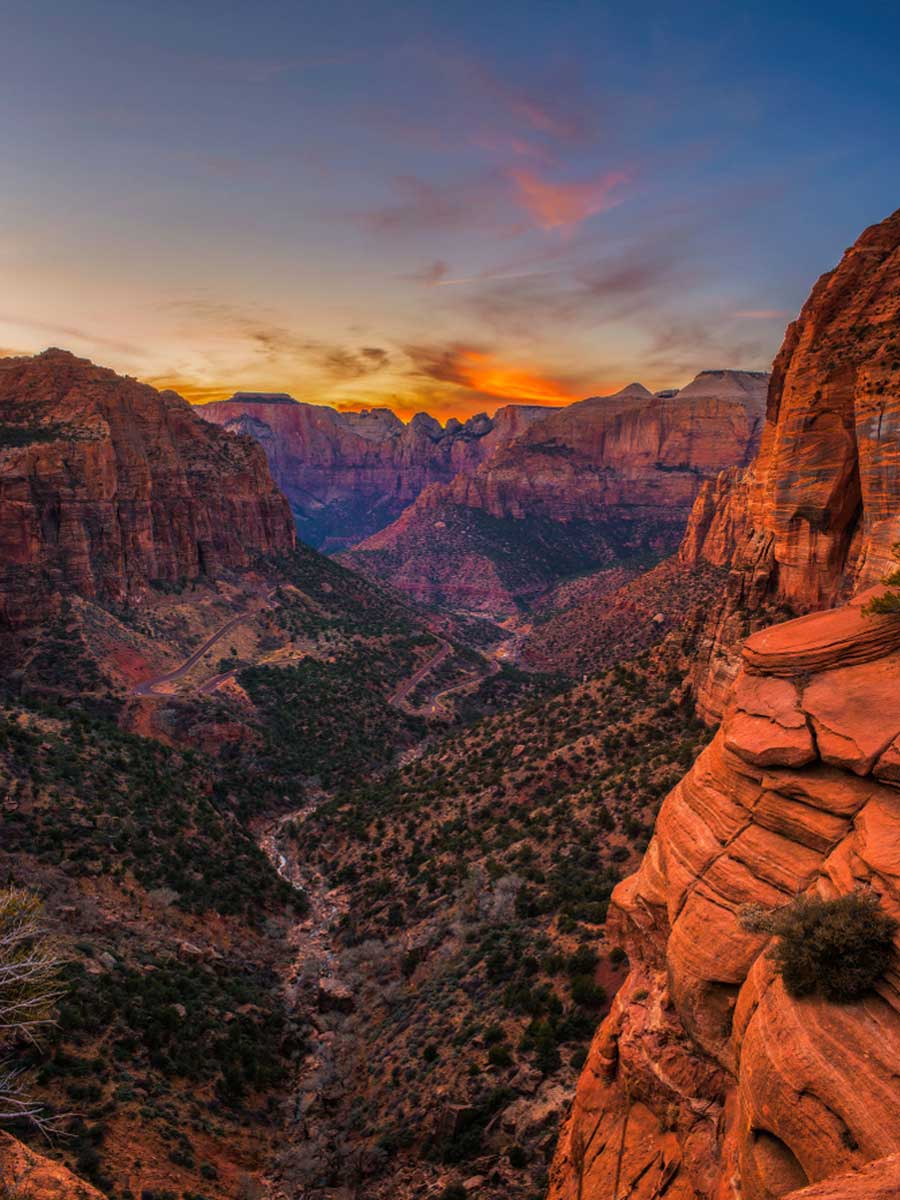
It depends where you’re standing. The lowest point in the park is Coalpits Wash, at 3,666 feet, and the highest is Horse Ranch Mountain in the Kolob Canyons, at 8,726 feet. That’s more than 5,000 feet of difference within a single park.
That range means very different conditions on the same day. While the desert near Springdale bakes in summer, the high plateaus can be 10 to 20 degrees cooler, and in winter they hold snow long after it has melted from the canyon floor. Pack layers and plenty of water whichever part you’re exploring.
Fun Facts About Zion National Park
Zion is Home to One of the Longest Arches in the World
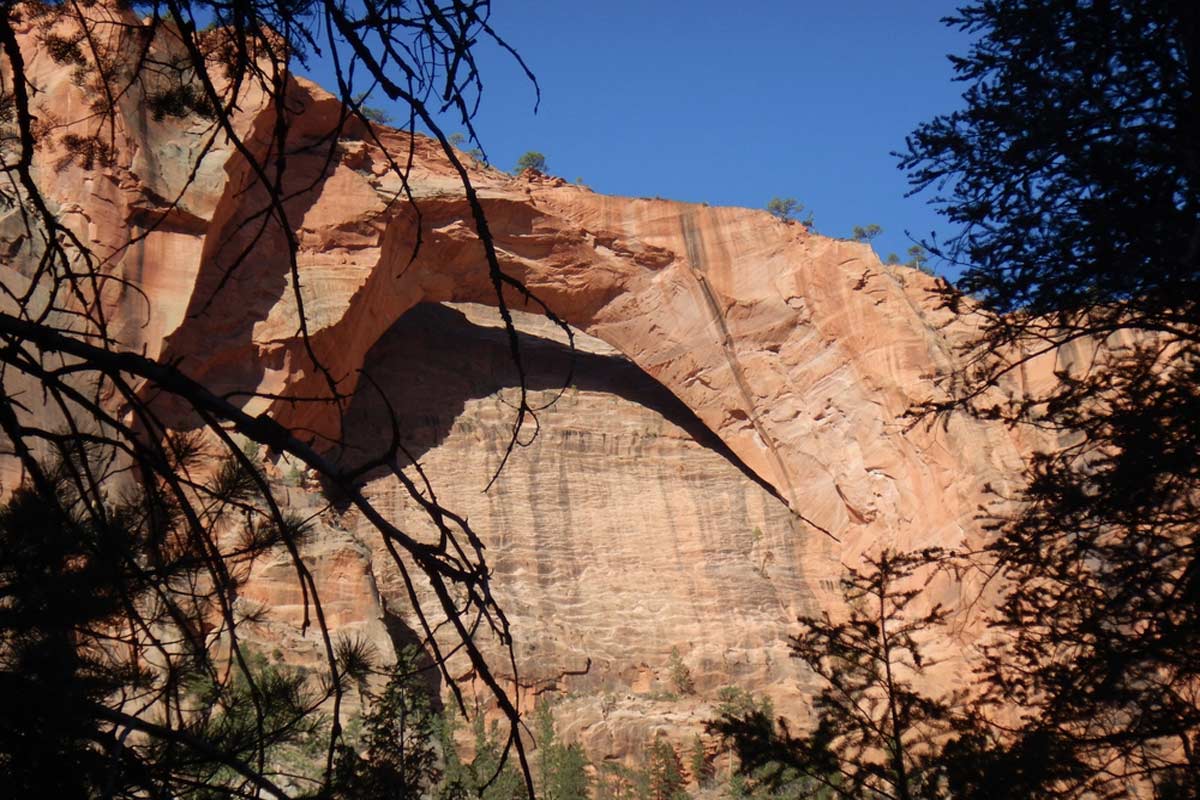
Arches National Park may be Utah’s most famous home of natural arches, but Zion has one of the biggest of them all: Kolob Arch, deep in the Kolob Canyons backcountry.
When the Natural Arch and Bridge Society measured it in 2006, Kolob Arch spanned 287 feet. That makes it the second-longest arch in the US, just 3 feet shorter than Landscape Arch in Arches National Park, and one of the six longest in the world, after Landscape Arch and four arches in China.
Seeing it takes effort. The classic route is the La Verkin Creek Trail from Lee Pass, a 14-mile round trip to a viewpoint below the arch. In October 2026 the Kolob Canyons Road was closed beyond the South Fork Trailhead because of rockfall, which cuts off Lee Pass, so check current conditions. The alternative is the 15-mile round trip through Hop Valley from the Kolob Terrace Road.
There Are Over 1,000 Plant Species in Zion National Park

You might not expect the Utah desert to be particularly green, but you’d be surprised. According to the National Park Service, Zion is home to more than 1,000 species of plants.
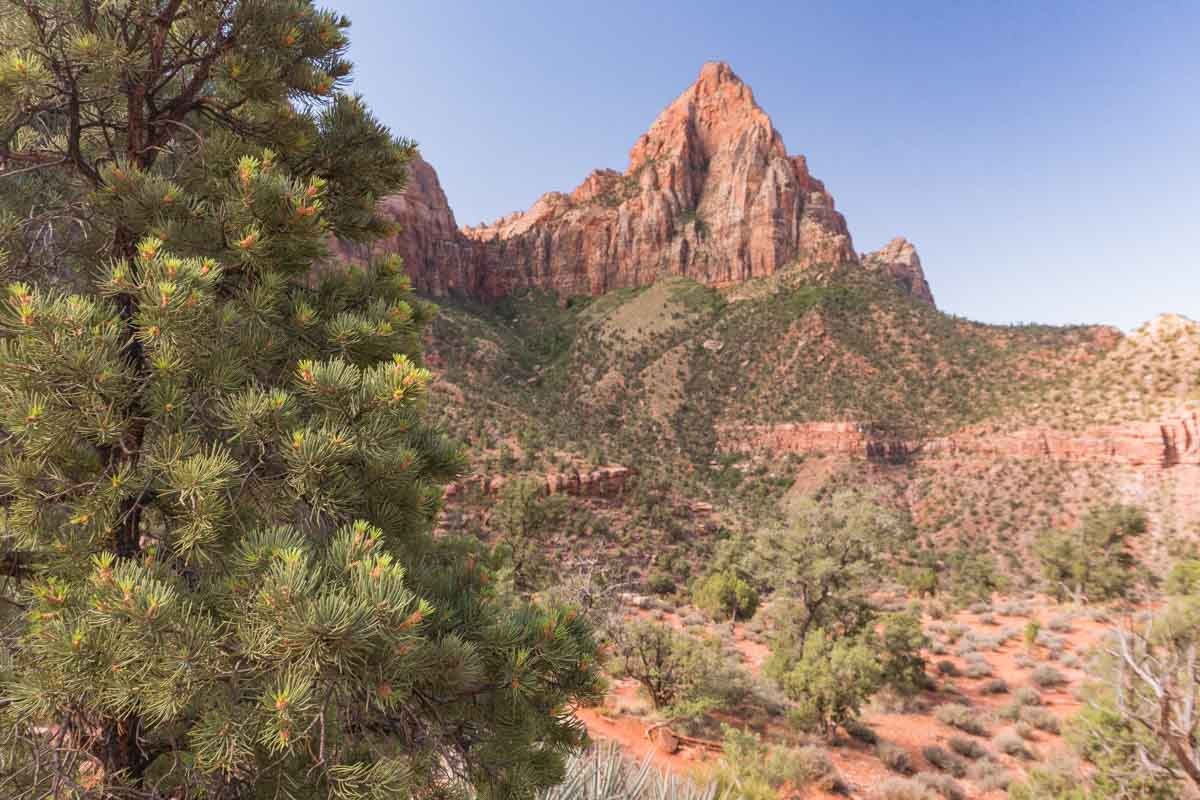
That huge range of elevation and water creates very different habitats: cacti and yucca in the desert, cottonwoods along the river, juniper and pinyon on the slopes and ponderosa pine on the plateaus.
Look out, too, for the hanging gardens, where water seeping out of the Navajo Sandstone feeds ferns, mosses and wildflowers clinging to the cliff faces. You can see some of the best at Weeping Rock and along the Riverside Walk.
What Animals Live in Zion

Zion is home to about 78 species of mammals, 291 birds, 30 reptiles, 7 amphibians and 8 fish, so keep your binoculars handy.
You’re most likely to see mule deer, which are common in Zion Canyon, along with wild turkeys, lizards and squirrels. Bighorn sheep live on the slickrock of the east side, and mountain lions roam the park, though they’re rarely seen. Black bears are rare visitors to the higher elevations.
The real stars are the California condors, North America’s largest land birds, which are frequently seen soaring around Angels Landing and Lava Point. In 2014, a condor chick raised in Zion became the first documented in Utah.
How Many People Visit Zion National Park Each Year?
Zion recorded 4,984,525 visits in 2025, making it the second most visited national park in the US after Great Smoky Mountains. That’s nearly double the 2.67 million who visited in 2010, and only just short of its record of just over 5 million in 2021.
It also beats some very famous names. In 2025 Zion saw around 700,000 more visits than Yosemite, and more than Yellowstone too.
With numbers like that, it’s more important than ever to look after the place. Stay on marked trails, take your rubbish home and consider visiting in the quieter months: see our guide to the best time to visit Zion and our ideas for free things to do in Utah.
There’s a Subway in Zion National Park

No, not the sandwich shop, and not a train. The Subway is a section of the Left Fork of North Creek where the canyon walls curve round into an almost perfect tube, with pools of green water along its floor. It’s one of the most photographed spots in Zion.
There are two ways to see it, both starting from the Kolob Terrace Road. The bottom-up route is a 9-mile round trip from the Left Fork Trailhead, with route-finding, wading and boulder scrambling but no ropes. The top-down route is a 9.5-mile one-way canyoneering trip from the Wildcat Canyon Trailhead that needs rappelling skills, 60 feet of rope and swims through cold water.
Either way you need a permit. Seasonal lotteries open up to four months ahead, and there’s also a daily lottery two days before your trip. It costs $6 to apply, plus $10 per person if you win; find out more on the National Park Service website. The Kolob Terrace Road usually closes for snow from autumn to spring, so plan for the warmer months.
Zion National Park Facts: Read Next
- The Best Things to do in Zion National Park
- How to Get to Zion National Park
- When’s the Best Time to Visit Zion NP?
- 2 Days in Zion: The Ultimate Itinerary
Love This? Save and Share on Pinterest